Table of Contents
In this guide, we’ll explore the different types of chain clasps, their pros and cons, and which styles suit different chains. Plus, we’ll highlight premium Moissanite Chains, Cuban Links, and Lab Diamond jewelry from Adamans to upgrade your collection.
When it comes to jewelry, the stones and metal get all the attention—but the clasp is the hidden hero. Whether you’re rocking a bold Cuban link or a delicate tennis chain, the clasp is what keeps your piece secure and stylish.
Why Different Types Of Chain Clasps Are More Important Than You Think
A great clasp balances three key things:
Security: Prevents accidental loss of your chain.
Comfort: Easy to open and close without hassle.
Aesthetics: Complements the chain’s design or adds style.
Choosing the right clasp can make the difference between a piece you wear with confidence and one you’re constantly adjusting.
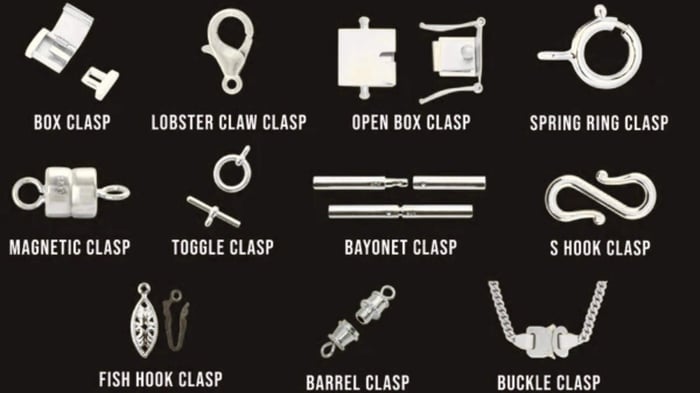
Different Types of Chain Clasps
1. Lobster Clasp
The lobster clasp is one of the most recognized closures in modern jewelry. Its design originated in Italy in the early 1970s when jewelers were searching for a more secure alternative to the traditional spring ring clasp. Inspired by the shape of a lobster’s claw, this clasp quickly became popular worldwide due to its strength and ease of use.
Purpose & How It Works:
The lobster clasp was designed to provide a durable closure that could handle heavier chains and prevent accidental opening. It uses a small internal spring and a lever that opens and closes the claw when pressed. Once released, the spring mechanism ensures the clasp snaps shut and locks securely.
Pros:
Exceptionally secure and durable for daily wear
Works for both necklaces and bracelets
Easy to operate with one hand
Cons:
Slightly bulkier than other clasps, which can stand out on delicate chains
Requires some finger strength to open
Best Uses:
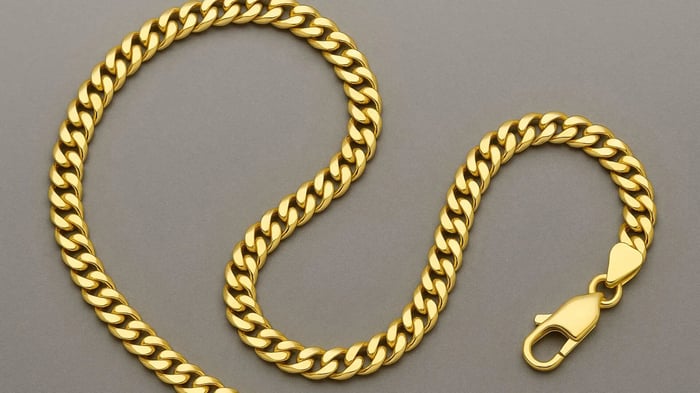
Lobster clasps are ideal for Moissanite Cuban Link Chains and Moissanite Tennis Chains, where weight and value require strong security. They’re also a staple for everyday chains that you want to wear confidently.
2. Spring Ring Clasp
The spring ring clasp dates back to the late 19th century and was originally developed for pocket watches and small chains. It gained popularity in the early 20th century as jewelry became more delicate, particularly for women’s necklaces.
Purpose & How It Works:
Designed for subtlety, the spring ring clasp was created to be small and discreet, making it ideal for lightweight jewelry. The mechanism consists of a circular hollow ring with a spring-loaded lever. Pulling back the lever opens a small gap, and when released, the spring snaps it shut.
Pros:
Small and low-profile, perfect for dainty chains
Lightweight and inexpensive to produce
Classic, timeless design
Cons:
Can be tricky to open and close, especially one-handed
Not strong enough for heavy chains like thick Cuban links
May open under pressure if worn on a chain that’s too heavy
Best Uses:
Spring ring clasps are perfect for delicate necklaces and Moissanite Tennis Chains with subtle sparkle. They also work well for minimalist or layering chains.
3. Box Clasp
The box clasp has roots in fine European jewelry from the 18th century. Jewelers wanted a closure that combined elegance with functionality, especially for high-value pieces. The design mimics a small box with a tongue that clicks into place, often accompanied by side safety latches for extra security.
Purpose & How It Works:
The box clasp was designed for luxury jewelry that required both security and seamless design. A flat metal tongue slides into a box-like housing and clicks into place. Safety latches are often added to prevent accidental opening, making it a favorite for diamond and gemstone jewelry.
Pros:
One of the most secure clasp styles, especially with safety latches
Blends seamlessly with the chain’s design
Perfect for expensive or high-value chains and bracelets
Cons:
More complex to repair if damaged
Slightly more expensive due to intricate construction
Best Uses:
Box clasps are ideal for Moissanite Bracelets, high-end Tennis Chains, and Lab Diamond Chains where security and aesthetics are equally important.
4. Magnetic Clasp
The magnetic clasp is a relatively modern invention, becoming popular in the late 20th century with the rise of convenience-focused jewelry. It was originally developed for people with limited mobility or arthritis who struggled with traditional clasps.
Purpose & How It Works:
Magnetic clasps use two strong magnets to snap together, eliminating the need to manipulate small levers or hooks. They were designed to make jewelry easy to put on and remove while maintaining a secure connection for lightweight chains.
Pros:
Extremely easy to use, even for those with dexterity issues
Quick to put on and take off
Can be retrofitted to existing chains
Cons:
Not recommended for heavy or expensive jewelry due to potential detachment
Can be affected by magnetic interference
Magnets may weaken over time
Best Uses:
Magnetic clasps work well for casual, lightweight jewelry. While they’re not ideal for Moissanite Cuban Links or Lab Diamond pieces, they can be useful for everyday layering chains and casual wear.
5. Toggle Clasp
The toggle clasp dates back to Victorian-era England, where it was often used in bracelets and necklaces as both a closure and a decorative element. Its simple bar-and-loop design made it easy to use and allowed jewelers to incorporate it into the overall aesthetic of the piece.
Purpose & How It Works:
Toggle clasps were designed to be both functional and fashionable. A straight bar slides through a circular or decorative loop, and gravity plus tension keeps it in place. Many designers make the clasp a focal point of the jewelry itself.
Pros:
Adds a decorative element to the piece
Easy to use, even with one hand
Works well with bold, chunky chain designs
Cons:
Less secure than lobster or box clasps
Not suitable for delicate or lightweight chains that lack tension
Best Uses:
Toggle clasps are great for statement necklaces and bold chains. They can work well with fashion-forward Moissanite Chains where the clasp is part of the design.
6. Hook and Eye Clasp
One of the oldest clasp types, the hook and eye clasp dates back to ancient Rome and Greece, where simple metal hooks were used to secure chains and pendants. Its enduring popularity is due to its simplicity and ease of manufacture.
Purpose & How It Works:
This clasp consists of a hook on one side and a loop or “eye” on the other. The hook slips into the eye, creating a quick and functional closure. Its purpose is to provide an easy-to-make clasp for custom or handmade chains.
Pros:
Simple and functional design
Easy to repair or replace
Works well for artisan and handmade jewelry
Cons:
Not as secure as modern clasps
Can slip open under tension
Better for casual wear than high-end jewelry
Best Uses:
Hook and eye clasps are often used in boho, artisanal, or casual Moissanite Chains. They’re also popular in vintage-inspired designs.
7. S-Hook Clasp
The S-hook clasp is a decorative evolution of the hook and eye clasp, believed to have originated in Asia hundreds of years ago. The “S” shape provides extra security and a more intricate look.
Purpose & How It Works:
An S-shaped piece of metal hooks into loops on either side of the chain. Its design allows for moderate weight-bearing and can be easily incorporated into decorative chain designs.
Pros:
Unique and elegant look
More secure than a standard hook and eye
Easy to operate
Cons:
Can still come loose if not properly secured
Not recommended for very heavy chains
Best Uses:
S-hook clasps are perfect for custom Moissanite Chains and designer jewelry where the clasp adds to the aesthetic.
8. Barrel Clasp
The barrel clasp gained popularity in mid-20th-century jewelry, particularly with bead and rope-style necklaces. Its screw-together mechanism creates a seamless barrel shape, making it both functional and subtle.
Purpose & How It Works:
Two metal pieces screw together to form a smooth, cylindrical “barrel.” The design’s purpose is to create a closure that blends into the chain and stays secure when tightened.
Pros:
Seamless, low-profile look
Very secure when screwed tightly
Lightweight
Cons:
Requires two hands to open and close
Threads can wear down with frequent use
Best Uses:
Barrel clasps are perfect for rope chains, beaded necklaces, and retro-inspired jewelry. They work beautifully with vintage-style Moissanite Chains.
9. Slide Lock Clasp
The slide lock clasp is a more recent invention designed to solve the problem of tangled multi-strand necklaces. It became popular in the 1990s and 2000s with the rise of layered chain designs.
Purpose & How It Works:
The clasp consists of two sliding tubes that interlock, securing multiple strands of chains or bracelets. Its purpose is to keep layered jewelry organized and secure without sacrificing aesthetics.
Pros:
Perfect for multi-strand chains
Keeps layered looks neat and untangled
Secure and stylish
Cons:
Not commonly used for single chains
More expensive due to its complexity
Best Uses:
Slide lock clasps are excellent for layered Moissanite Tennis Chains and multi-strand bracelets where you want a cohesive, secure look.
How to Choose the Right Chain Clasp
When selecting a clasp, consider:
Chain weight: Heavy Cuban links need lobster or box clasps.
Ease of use: Magnetic or toggle clasps are best for convenience.
Style: Do you want the clasp hidden or as part of the design?
Security: For expensive moissanite or lab diamond chains, choose lobster or box clasps.
Similar Styles at Adamans
At Adamans, every piece combines luxury stones with secure, premium clasps. Explore:
Moissanite Chains: Affordable brilliance with unmatched fire.
Moissanite Cuban Link Chains: Bold links with maximum shine.
Moissanite Tennis Chains: Timeless elegance for everyday luxury.
Moissanite Bracelets: Perfect companions to your chain collection.
Lab Diamond Collection: Affordable alternatives to natural diamonds with stunning brilliance
3mm Moissanite Tennis Chain - 925 Silver - D COLOR - VVS1

$484.99
$848.99
Lifetime Warranty, quality assured for LIFE at Adamans & passes the diamond tester. Our moissanite is industry leading and is completely colorless. Some brands use moissanite that has a slight yellow hue, meaning it's not completely colorless and does not… read more
FAQs
What is the most secure chain clasp?
A box clasp with safety latches is the most secure. Lobster clasps are also excellent for everyday wear.
Which clasp is best for Cuban Link Chains?
A lobster clasp or heavy-duty box clasp is recommended for Cuban Links.
FAQ: Different Types of Chain Clasps
What is the most secure chain clasp?
A box clasp with safety latches is the most secure. Lobster clasps are also excellent for everyday wear.
Can you replace a chain clasp?
Yes. Jewelers can repair or upgrade your clasp for better security or style.
Which clasp is best for Cuban Link Chains?
A lobster clasp or heavy-duty box clasp is recommended for Cuban Links.
Do Adamans chains have quality clasps?
Absolutely. All Adamans Moissanite Chains, Tennis Chains, and Lab Diamond pieces use durable, premium clasps built to last.
Final Thoughts
The clasp might be a small detail, but it’s one of the most critical parts of any chain or bracelet. Whether you prefer the security of a lobster clasp, the elegance of a box clasp, or the convenience of a magnetic closure, the right choice ensures your jewelry stays safe and stylish.
Invest in chains with high-quality clasps, especially if you’re rocking premium Moissanite or Lab Diamond pieces. At Adamans, we craft every chain with durability, luxury, and security in mind.