Diamonds are one of the most coveted and valuable gemstones in the world. However, with the rise of synthetic diamonds and convincing diamond simulants, determining the authenticity of a diamond has become increasingly challenging. Whether you’re purchasing a diamond, verifying an heirloom, or just curious about a gemstone you own, knowing how to tell if a diamond is real is crucial.
In this comprehensive guide, we’ll cover various methods—both at-home and professional—to help you determine whether your diamond is genuine.
Why is Diamond Authentication Important?
Before diving into the tests, let’s understand why verifying a diamond’s authenticity is essential:
-
Financial Protection – Diamonds are expensive; knowing you’re getting what you paid for prevents potential fraud.
-
Investment Security – Genuine diamonds retain value over time, making them a reliable investment.
-
Avoiding Fake Diamonds – Imitations like cubic zirconia, moissanite, and synthetic diamonds can be misleading.
-
Peace of Mind – Knowing your gemstone is real ensures confidence in your purchase.
10 Effective Ways to Test If a Diamond is Real
1. The Fog Test
A simple at-home method, the fog test involves:
-
Holding the diamond close to your mouth and breathing on it.
-
A real diamond will disperse the fog quickly due to its high thermal conductivity, while a fake one may hold the condensation for a few seconds.
2. The Water Test
This easy test requires only a glass of water:
-
Drop the diamond into a glass of water.
-
A real diamond, being denser, will sink, while many fake stones will float or sink slowly.
3. The Magnification Test
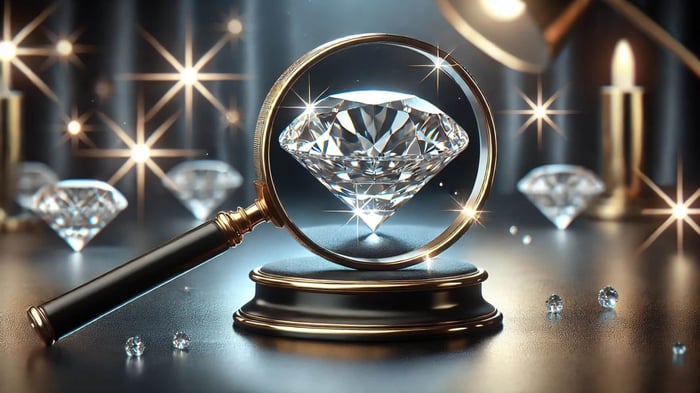
Using a jeweler’s loupe or magnifying glass:
-
Examine the diamond for imperfections (inclusions and blemishes).
-
Most real diamonds have some natural inclusions, while fake ones like cubic zirconia often appear too flawless.
4. The UV Light Test
Many natural diamonds emit a bluish fluorescence under UV light. However, not all diamonds fluoresce, so the absence of this glow does not confirm a fake.
5. The Scratch Test
Since diamonds are the hardest natural material:
-
Try scratching glass or a mirror with the stone.
-
A real diamond should easily scratch the surface, whereas a fake one might not.
6. The Heat Test
This method determines how well a diamond handles heat:
-
Heat the stone with a lighter for about 30 seconds, then drop it in cold water.
-
A real diamond will remain intact, while a fake one might crack due to thermal expansion.
7. The Dot Test
An easy way to check for refraction:
-
Draw a small dot on a white piece of paper.
-
Place the diamond over the dot and look through it.
-
If you can see the dot, the stone is likely fake since real diamonds refract light intensely.
8. The Newspaper Test
A real diamond’s refractive properties prevent you from reading through it:
-
Place the stone over a newspaper text.
-
If the text is visible, it is likely not a real diamond.
9. The Electronic Diamond Tester
A diamond tester measures thermal or electrical conductivity:
-
Diamonds disperse heat quickly, distinguishing them from cubic zirconia.
-
Some electronic testers also measure electrical conductivity to differentiate diamonds from moissanite.
10. Professional Appraisal
If in doubt, take the diamond to a professional gemologist or jeweler for verification. Certified gemologists use advanced testing tools like spectroscopy and X-ray fluorescence for authentication.
Key Differences Between Real and Fake Diamonds
| Feature | Real Diamond | Fake Diamond (Cubic Zirconia) |
|---|---|---|
| Hardness | Extremely hard (10 on Mohs scale) | Softer, can scratch over time |
| Thermal Conductivity | High (disperses heat quickly) | Low (retains heat) |
| Light Reflection | Brilliant and sparkly | Often too colorful or dull |
| Weight | Lighter than fakes | Heavier due to material density |
| Fluorescence | Some glow under UV | Often no fluorescence |
| Price | Expensive | Much cheaper |
What Are the Most Common Diamond Simulants?
Several materials mimic diamonds, including:
-
Cubic Zirconia (CZ) – Looks similar but lacks durability and brilliance.
-
Moissanite – Closest to diamonds in appearance, but with more colorful flashes of light.
-
White Sapphire – Less sparkle, often used as a diamond alternative.
-
Glass & Quartz – Cheap and easily distinguishable from real diamonds.
Should You Buy a Certified Diamond?
For guaranteed authenticity, purchasing a certified diamond from a reputable gem lab is highly recommended. Trusted organizations include:
Conclusion
Verifying a diamond’s authenticity is crucial, whether you’re buying one or checking an existing gemstone. While simple at-home tests provide clues, the most reliable way to confirm authenticity is through a professional gemological examination.
By following these methods, you can confidently determine if a diamond is real and protect yourself from potential fraud. If ever in doubt, always seek the expertise of a professional jeweler or gemologist to ensure you’re investing in a genuine diamond.